Fitness After 40: What I’m Tracking Besides the Number on the Scale
Whenever I start a new health routine, the scale tries to become the whole story. It offers a number, and numbers feel clear. But a number cannot tell me whether I’m sleeping better, lifting something that once felt heavy, or feeling more willing to get outside after a long day. It certainly cannot explain everything happening in a busy life or a changing body.
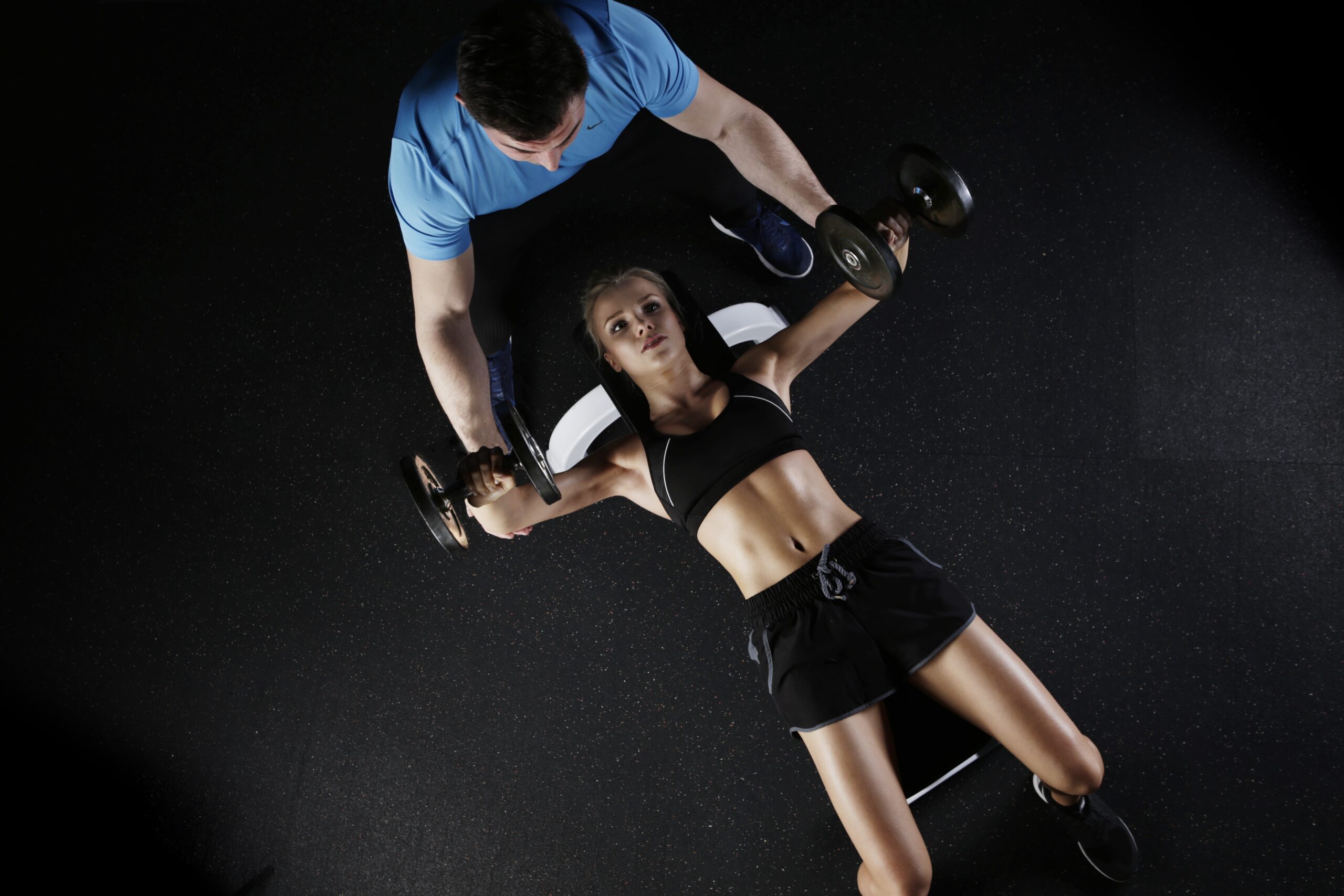
My husband and I are both beginning new workout routines. I know I’ll be curious about physical changes. I’m human. This time, though, I want to pay attention to what happens between the starting point and the finish line. Otherwise, I could miss the very improvements that make the routine worth keeping.
Strength in everyday life
One of the things I want to notice is whether ordinary tasks feel easier. Can I carry the groceries without needing to rearrange every bag? Do I feel steadier walking up the stairs? Can I finish a workout and feel more confident about the next one? These may not make dramatic before-and-after photos, but they would mean something in my daily life.
I also want to notice the exercise itself. A move that feels unfamiliar on day one may feel more comfortable after practice. I might be able to do an extra repetition with good form, use a weight that once felt challenging, or recover my breath more comfortably after a walk. I won’t treat every workout as a test. I just want a record that reminds me learning is happening, even when it is quiet.
Strength work is particularly worth including as we age. The National Institute on Aging describes research linking resistance training with maintaining muscle and mobility. That is one reason I’m interested in what my body can do, beyond how it looks. My husband can have his own reasons and measures, too; we do not need matching goals to cheer each other on.
Energy, mood, and recovery
Another question I’m asking is: How do I feel during the rest of my day? I’m not expecting every workout to deliver a magical burst of energy. Some days I may be tired, distracted, or sore. But over time, I can look for patterns. Do I feel more capable when I move regularly? Am I giving myself enough recovery? Am I choosing a workout time that supports my day or leaves me rushed and stressed?
A quick note on my phone could be enough: “Walked today, felt calmer afterward,” or “Need more time to recover between these sessions.” That is useful information for making adjustments. It also respects the fact that health is not a straight line. Hormones, sleep, stress, and ordinary life can affect how I feel from one week to the next.
I want to be careful about promises here. Exercise can support health, but it is not a cure-all, and one person’s experience will not predict another’s. If I notice persistent pain, unusual symptoms, or a problem that needs individual guidance, I’ll bring it to a qualified professional rather than trying to solve it with a motivational quote.
The habit itself is progress
There is also value in becoming someone who knows how to make time for movement. Did I schedule my workouts? Did I return after missing one? Did I learn which activities I actually enjoy? Those things may sound less exciting than a transformation headline, but they are the foundation for anything lasting.
I’m thinking about a short weekly check-in. I can ask: What did I do this week? What felt easier? What got in the way? What should I change next week? My husband can answer those questions for his program. We can celebrate each other’s effort without comparing whose plan is harder or whose results appear first.
If you find the scale helpful, you can use it in a way that feels healthy for you. I’m simply giving it less authority over my mood. I want room to recognize a completed workout, a stronger walk, or a decision to rest when my body asks for it. Those moments are part of the story, too.
A few months from now, I hope I can say more than “the number changed” or “the number didn’t.” I hope I can say I learned how to work movement into our family’s life and discovered what helps me feel stronger. If you’re starting a routine after 40, what would you love to notice in your everyday life, even if nobody else could see it?