How to Choose a High-Quality Luxury Watch: A Practical Guide to Craftsmanship, Materials, and Value
 Understanding Watch Movements: The Heart of Quality
Established manufacturers across the spectrum—from small independent ateliers to globally recognized names like omega watches—demonstrate how movement quality, materials, and design can converge in a single piece. This guide focuses on objective criteria rather than brand prestige, so you can evaluate any watch with real confidence.
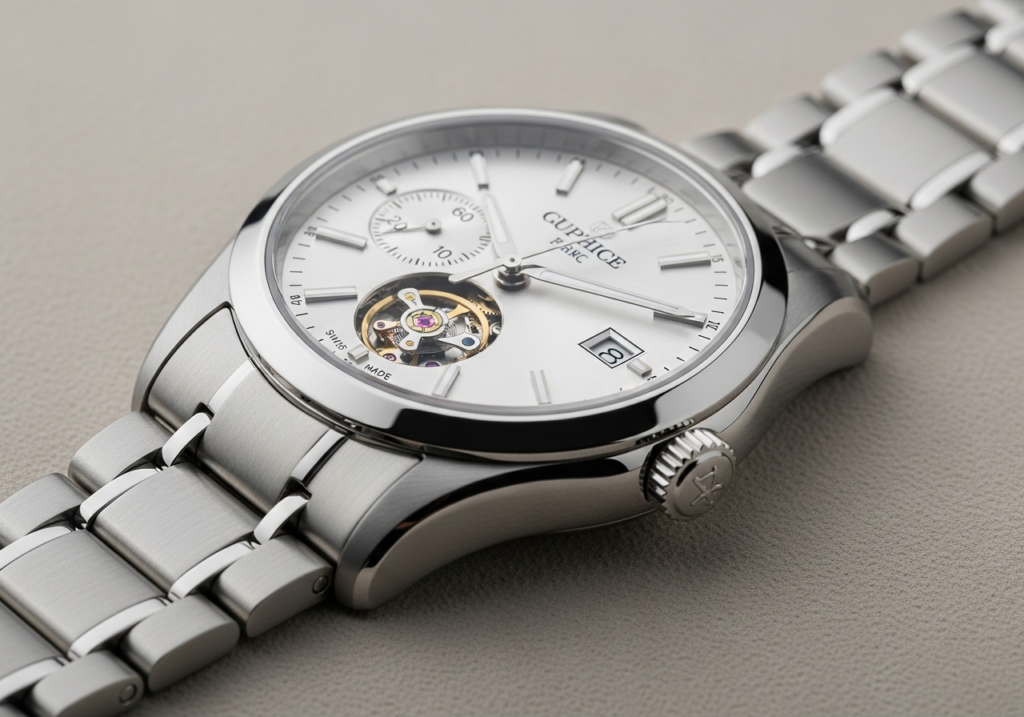
The movement is the engine of a watch, and understanding its type is the first step toward an informed purchase. Three main categories exist:
- Mechanical (manual): Powered by a wound mainspring and prized for its craftsmanship and repairability, though it requires regular winding.
- Automatic: A self-winding mechanical movement that winds itself through wrist motion—convenient, but somewhat sensitive to shock and magnetism.
- Quartz: Battery-driven and exceptionally accurate, with minimal maintenance requirements that make it well-suited to everyday wear.
One of the most persistent misconceptions in horology is that mechanical movements are inherently superior. The reality is more nuanced: quartz delivers outstanding reliability for daily use, while a mechanical movement rewards those who appreciate watchmaking as a craft in its own right. Chronometer certification—awarded only after rigorous independent accuracy testing—is a meaningful signal of precision regardless of which movement type carries it.
Materials and Construction: What Makes a Watch Durable
Case material has a direct bearing on a watch’s longevity, comfort, and long-term appearance. Stainless steel remains the benchmark for corrosion resistance and durability; titanium offers a lighter, hypoallergenic alternative; precious metals carry an undeniable prestige but demand more careful handling; and ceramic cases resist everyday scratches exceptionally well.
The crystal—the transparent cover protecting the dial—deserves equal attention. Sapphire crystal, rated 9 on the Mohs hardness scale, resists scratching far more effectively than mineral or acrylic alternatives. For straps, metal bracelets transition easily between formal and active settings, while leather, rubber, and fabric options offer comfort across varying climates and occasions.
Water resistance ratings are widely misunderstood. A 30-metre rating is adequate for splashes and little more; genuine swimming calls for a rating of 100 metres or higher, combined with a screw-down crown and quality gaskets to maintain that seal over time.
Key Takeaway: Choose materials that reflect how and where you’ll actually wear the watch—not just how it looks in a display case.
Design, Legibility, and Everyday Usability
Good watch design serves function before aesthetics. Legibility—clear indices, strong dial contrast, and proportionate sizing—should rank among your primary considerations. Ergonomics matter just as much: lug-to-lug length and case thickness determine how naturally a watch sits on the wrist, and these dimensions interact differently depending on wrist size and shape.
Complications such as chronographs, date windows, and GMT functions can add genuine utility, but they also introduce visual complexity. The honest question to ask is whether you’ll actually use a given complication in daily life, or whether it’s simply an appealing feature on paper.
Evaluating Craftsmanship and Finishing
Craftsmanship tends to reveal itself in the details that are easy to overlook at first glance. Look for consistent alternation between polished and brushed surfaces, cleanly applied bevels, and precisely aligned indices and hands. On watches with a display caseback, decorative movement finishing—Genève stripes, perlage (circular graining), and anglage (hand-beveled edges)—reflects the care invested in components that most wearers will rarely see.
Quick inspection checklist:
– Verify dial symmetry and index alignment
– Test the crown for smooth, wobble-free operation
– Check bracelet link tightness and clasp security
– Confirm the caseback seal and crown gasket are in good condition
Long-Term Value: Service, Reliability, and Resale
Mechanical watches generally require professional servicing every four to seven years; quartz movements need periodic battery replacements along with seal inspections. Access to qualified watchmakers and available spare parts is a practical consideration that’s easy to overlook at the point of purchase but becomes significant over the life of the watch.
Factors that support resale or heirloom potential include overall condition, original documentation (box and papers), the historical significance of the reference, and the manufacturer’s reputation for long-term serviceability—none of which correlate directly with price alone.
Key Takeaway: Prioritize long-term usability over speculative resale value, especially when buying your first serious timepiece.
Practical Buying Process: From Research to Wrist
- Define your criteria: Settle on movement type, material preferences, water resistance requirements, and a realistic budget before you begin browsing.
- Research neutrally: Study technical specifications, owner forums, and long-term reviews, and approach promotional content with appropriate skepticism.
- Inspect in person: Visit authorized retailers or reputable pre-owned dealers to assess comfort, legibility under varied lighting, and how the watch actually sits on your wrist.
- Verify authenticity: Confirm warranty terms, service history, and original documentation before committing to any purchase.
- Cross-check sources: No single review should be decisive—triangulate information across multiple independent resources to build a well-rounded picture.
Putting Your Knowledge Into Practice
Choosing a luxury watch well means weighing movement, materials, design, craftsmanship, and long-term care together, rather than defaulting to a logo or a price point. The most valuable watch, in any meaningful sense, is one that genuinely fits your lifestyle, aligns with your maintenance expectations, and carries personal significance over time.
Apply the criteria in this guide whenever you handle a watch you’re considering, whether it’s your first purchase or your fifth. Revisit your priorities after trying several pieces in person—real-world experience has a reliable way of clarifying what actually matters versus what you only thought it would.
“Quality in a luxury watch is the sum of its movement, materials, design, and long-term care—not its logo alone.”